
How to approve a packaging sample
Review cannabis tin samples for loaded fit, handling and proposed reuse. Record cleaning conditions, component identity and evidence for packaging claims.
Latest guides
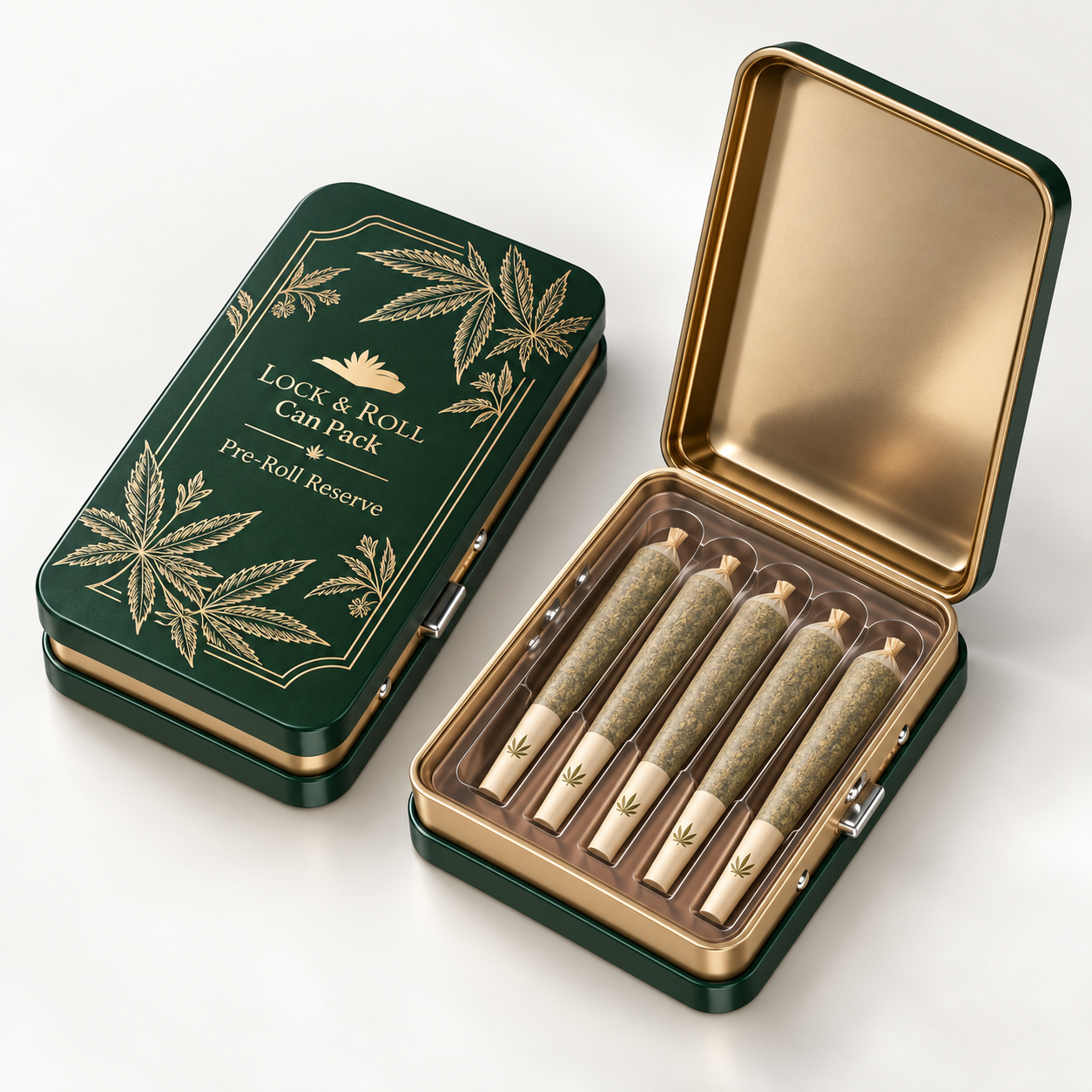
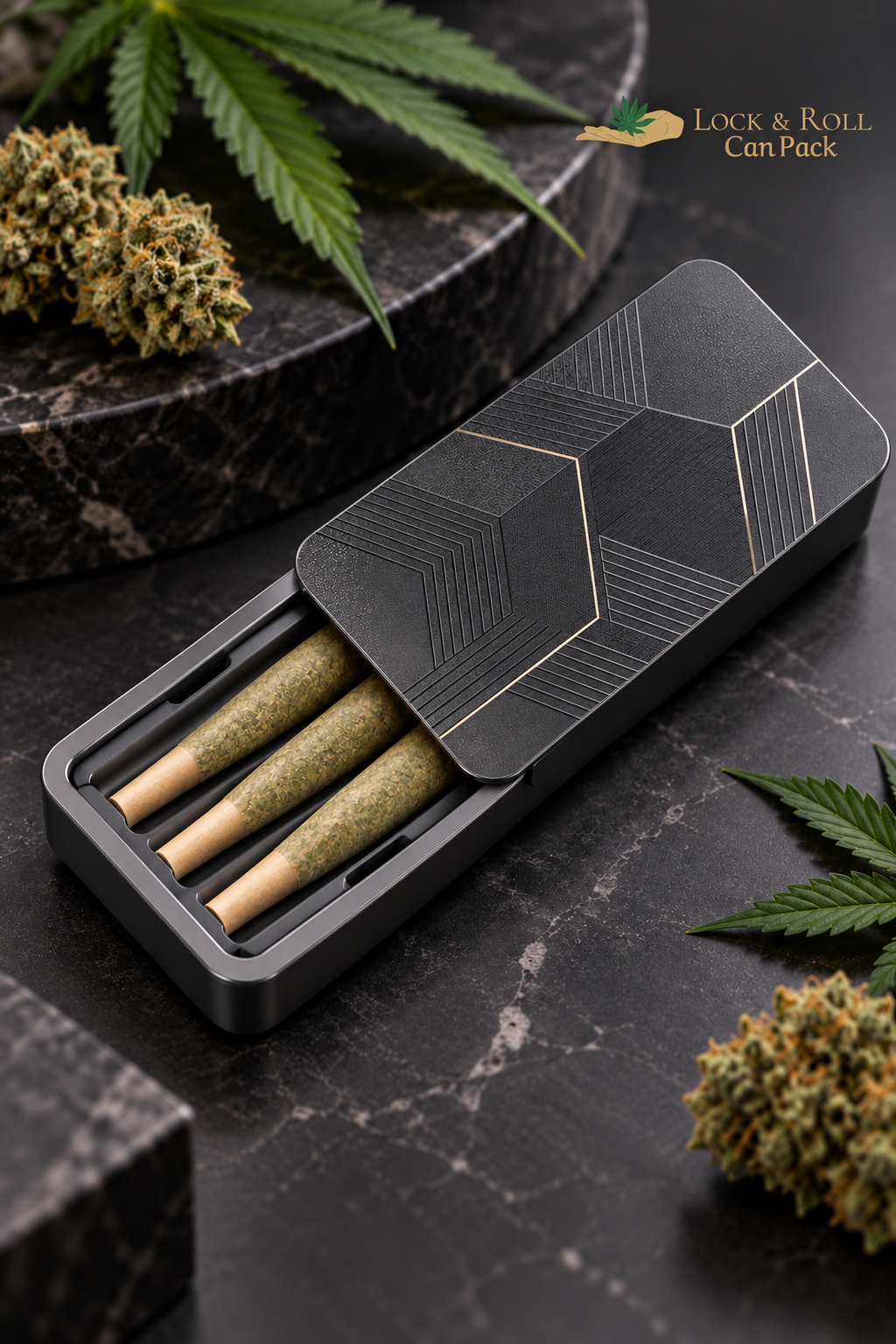
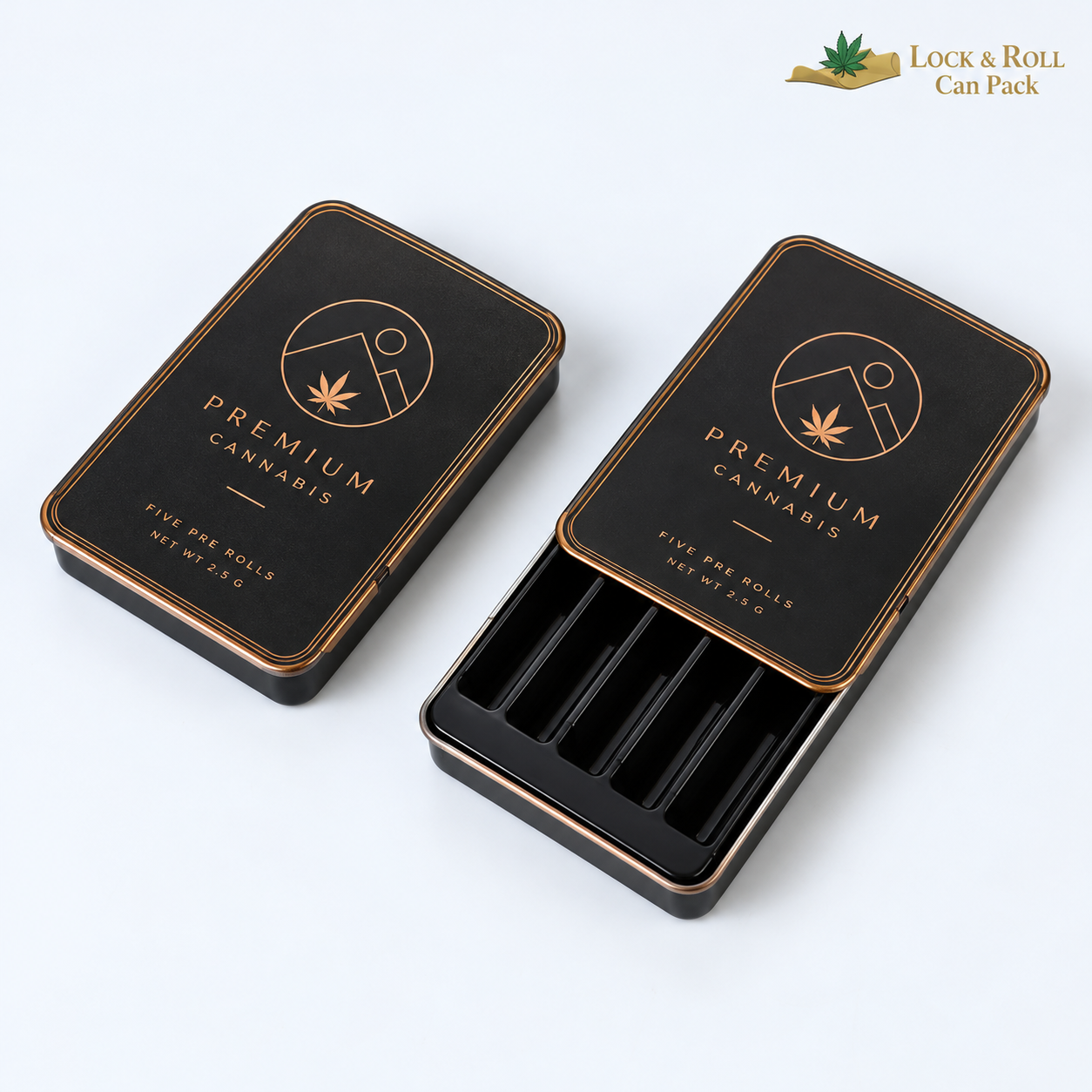
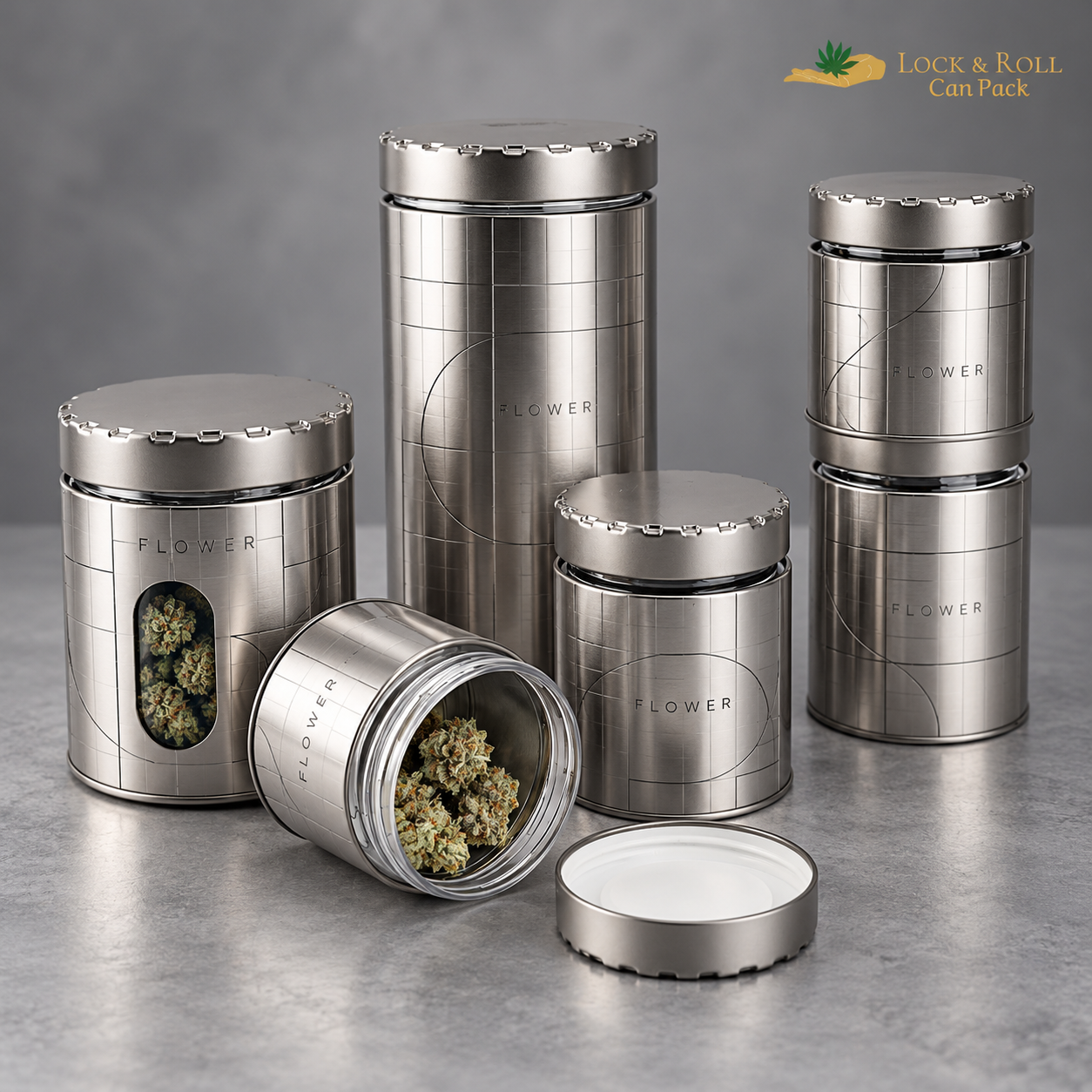
Continue your review
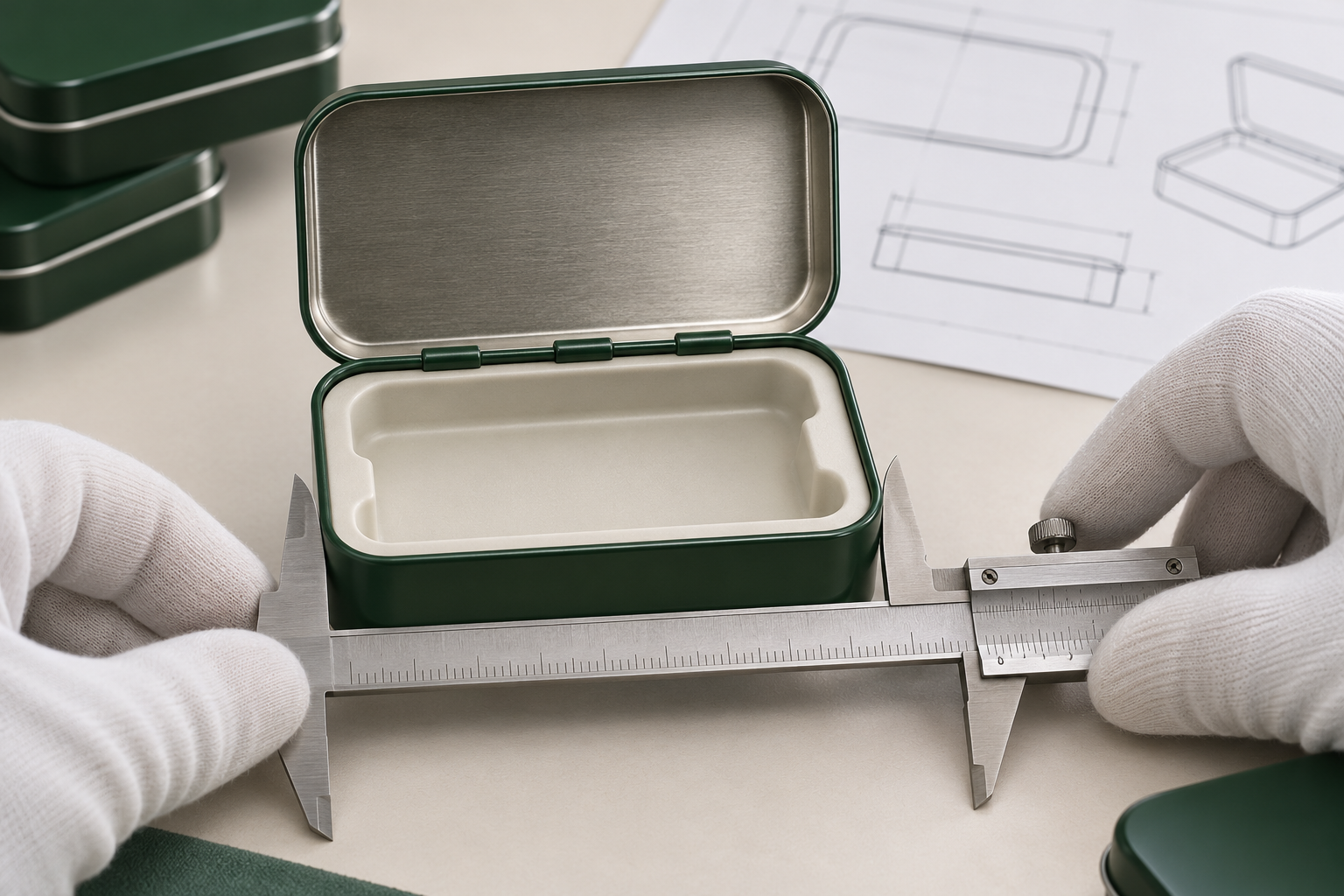
Identify the sample and its revisions
Attach the sample ID, product reference, drawing revision and artwork proof. List which components are present and which production options are still open.
Run a loaded fit and handling check
Pack the actual contents in the intended orientation. Check loading, movement, removal, lid clearance and opening. Inspect print placement and finish under the conditions agreed for approval.
| Check | Evidence to request | How to use it |
|---|---|---|
| Identify | Model, drawing revision, insert and artwork revision | Hold the review if the sample cannot be traced to the order. |
| Trial | Actual contents and count, loading, removal and closure | Record the observed result and any interference. |
| Release | Approved sample reference, owner and date | Reopen affected checks when the approved configuration changes. |
Record the decision
Keep photos and notes with the approved sample. List any corrections, assign an owner and specify which changes require a new sample or updated documentation.
Check the insert and closure together for pre-roll packs
A brand choosing a pre-roll tin needs to evaluate how the loaded insert interacts with the lid. Start with the intended count and the largest finished rolls, including any wraps. Record the tin, lid and insert revisions together so the packing site can reproduce the approved configuration.
Load every position, close the pack using the intended method, then reopen it and remove the rolls one at a time. Observe whether a roll touches the lid, whether the tray lifts during removal and whether an empty position allows neighbouring rolls to move. Compare candidate inserts with the same representative contents and handling sequence. Specify the tray and its seating dimensions.
Specify the tray and its seating dimensions
| Observation | Record for the supplier | Decision to review |
|---|---|---|
| End or tip contact | Position, product dimensions and photo before and after closing | Change the cavity, orientation or tin size and repeat the trial |
| Difficult removal | Which position, how the pack is held and where fingers need access | Review finger access and insert support |
| Lid interference | Loaded height, insert seating and exact point of contact | Review the assembled clearance and closure engagement |
| Movement during handling | Agreed orientation and handling sequence, before-and-after photos | Review the insert restraint and repeat with the same procedure |
Turn freshness and odour questions into a defined test request
Ask the supplier what closure features are present and request evidence for the assembled configuration under consideration. Agree the contents, starting condition, storage duration, temperature, humidity and opening frequency before comparing packs. Include a reference pack and record how the assessment will be made. Where product moisture or another quality measure matters, have the brand's quality team define the measurement method and acceptance criteria.
For repeated use, identify the sample and operator, record the opening sequence and inspect the lid, liner and insert at agreed intervals. Note changes in seating, visible damage and closure operation. An odour observation should identify who assessed it and under what conditions. A quantified leakage claim needs a defined test method and corresponding result.
Request a configuration reviewEvaluate the reuse scenario before adding packaging features
For a pre-roll brand comparing tin configurations, define what happens after the original contents are used. Identify the expected reuse, the components needed for it and the space the complete pack occupies at retail and during replenishment. Trial the proposal with the same contents and packing arrangement as the simpler configuration under consideration.
For example, compare a tin with a removable insert against the same candidate with a fixed insert where both options are available. Record how the insert is removed, whether the empty pack still closes and which parts users would need to retain. Ask the packing team to compare loading steps and the purchasing team to compare the quoted component and assembly costs. Record retailer feedback on the actual external pack dimensions and display arrangement before selecting a format. Compare tin dimensions.
Compare tin dimensionsWhich reuse claims should buyers verify before approving a pre-roll tin?
Define the intended second use and record the parts that remain in the pack. A brand proposing pocket storage for rolling papers needs a different evaluation from a brand proposing repeated storage of loose cannabis. Give the supplier the intended contents, handling and cleaning scenario, then ask which parts and evidence support that use.
Agree the evaluation procedure before comparing samples. Record the condition of the coating, print, insert and any sealing component before and after the agreed cleaning and opening sequence. Include photos of damage, loosening or changes in seating. Ask the supplier to review changes against the proposed use and retain the resulting decision with the approved configuration. Review component and insert fit.
Review component and insert fit| Proposed use | Questions for the sample review |
|---|---|
| Pocket carry | What contents and load will be used? How will the team evaluate external dimensions, edges, closure engagement and contact with other carried items? |
| Repeated opening | Which body, lid, insert and sealing parts are retained? What cycle count and inspection intervals will the team agree? |
| Cleaning between uses | What cleaning method, agent, concentration, temperature and drying conditions does the supplier support for the exact materials? |
| Continued use of a liner or gasket | What material and part reference apply? What condition or observed change should prompt a review or replacement? |
Document a tin that opens during handling
If a sample or delivered pack opens unexpectedly, retain the unit and identify its body, lid, insert and batch. Photograph its loaded condition and record how it was closed, where force was applied and what handling occurred. Mark any deformation and record whether the event can be reproduced on that unit and on other units from the same configuration.
Agree a handling evaluation with the supplier and quality team before comparing alternatives. Specify the contents, sample count, orientation, handling sequence and acceptance criteria. When a shipping evaluation is required, include the actual carton arrangement, dividers and any protective packing. Retain both units that stayed closed and those that opened so the reviewer can compare them. Review insert seating and clearance.
Review insert seating and clearanceInvestigate an odour complaint across the complete packed configuration
Ask where the odour was noticed, when the pack was last opened and whether it had been filled, stored or shipped with other cannabis products. Retain the container and shipping materials where practical. Give the reviewer a component record covering the body, lid, any liner or gasket, any seal, insert and outer shipping pack. Record each item's actual presence and identity from the sample.
Have the quality team select the evaluation method appropriate to the concern. Link any leakage measurement to its method, conditions and exact assembly. Repeat the agreed assessment after a component or packing-process change and retain the results alongside the earlier configuration.
| Investigation item | Evidence to collect |
|---|---|
| Container and closure | Part IDs, revision, visible condition and how the pack was closed |
| Liner, gasket or seal where present | Material identification, seating, damage and application record |
| Filling and handling | Observed packing steps, closure procedure and storage history |
| Shipping pack | Carton arrangement, protective materials and location of the reported odour |
| Comparison | Unopened reference units, agreed assessment method and recorded conditions |
Submit the configuration for review
Send LOCK & ROLL the sample or clear photos, finished product dimensions, count, component references and a description of the observed handling or odour concern. Include the intended packing and shipping arrangement so the sample review can address the complete configuration. Request a sample review.
Request a sample review Submit the intended use and sample configurationBuyer FAQ
Does an empty sample prove the contents will fit?
Use it to inspect the finish and mechanism. Run a separate loaded trial using the intended contents, count and insert.
Does a metal tin automatically provide an airtight pack?
Request evidence for the body, closure and sealing components as assembled. Review the method, conditions and sample configuration before using any airtightness or freshness claim.
How many opening cycles should we request?
Describe the expected use of the SKU and agree a cycle count and inspection intervals with the supplier and quality team. Record the tested configuration and results with the sample approval.
What should we send for a sample review?
Send LOCK & ROLL the finished roll dimensions, count, expected handling and storage conditions, and the closure or removal problem you want to evaluate. Request a configuration review.
What makes a reusable tin worth ordering?
Assess the proposed second use alongside the first use. Ask whether the added component, space and assembly work provide a benefit your brand can explain and demonstrate with a sample. Record feedback from the intended users and retailer separately, with the configuration each reviewed.
Does an opening during handling identify the cause?
Treat it as an observation that needs investigation. Compare the closure engagement, loaded clearance, component revisions, damage and handling record before deciding which change to trial. Keep the supplier's proposed correction and the repeat evaluation with the sample approval.
Can a reported smell establish that the closure leaks?
A smell report identifies a concern to investigate. Record the observation and review the pack and handling history, then use an appropriate method to assess the proposed cause. Ask the supplier for configuration-specific evidence before selecting a replacement on the basis of a sealing claim.
Can we tell customers to wash the tin?
Obtain instructions for the actual assembly first, including any removable parts and the supported drying method. Trial those instructions on representative samples before publishing them. Request specific confirmation for a proposed dishwasher, soaking or chemical-cleaning instruction.
How long will a sealing component last?
Ask for evidence covering its material, assembly and expected use conditions. Record the evaluated duration or cycle count and inspection results. Have the responsible product reviewer define any care, replacement or end-of-use guidance supported by those findings.
Can we describe the tin as odour-proof or water-resistant?
Request a defined method, acceptance criteria and results for the exact configuration and conditions behind each proposed claim. Use the sample's carrying and handling observations to identify what further evaluation is needed. Submit the intended use and sample configuration.
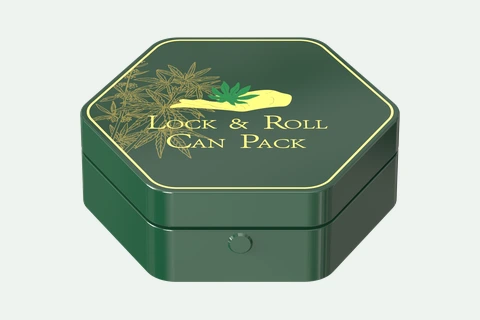 60 × 60 × 84 mm Shaped Metal Tin for Hard Candy